
Theories and Psychology Behind Mass Cult Suicides

· 5 min read
PSVNL SAI KUMAR
SDE 3 @ Oracle

Mass cult suicides are tragic events involving a group of people who follow a shared belief system, often led by a charismatic figure. These events are typically the result of psychological manipulation, sociological pressures, and a strong sense of group identity. Below, we’ll explore the psychological theories and notable examples of mass cult suicides to understand the mechanisms behind these occurrences.

Psychological Theories

1. Groupthink

Groupthink is a psychological phenomenon where the desire for harmony within a group leads to irrational or dysfunctional decision-making. Members suppress dissenting viewpoints and adopt the decisions of the group leader or majority, even if they conflict with personal beliefs.

  • Example: In the case of the People's Temple, followers of Jim Jones suppressed doubts due to the overwhelming group pressure and the persuasive, authoritative nature of Jones' leadership, leading to the mass suicide in Jonestown.

2. Cognitive Dissonance

Cognitive dissonance occurs when individuals experience discomfort due to holding contradictory beliefs or behaviors. Cult leaders often exploit this, pushing members to act in extreme ways (such as suicide) to resolve the dissonance.

  • Example: In the Heaven’s Gate cult, members experienced cognitive dissonance as they prepared for an apocalyptic event they believed in. Their eventual suicides were framed as a solution to the dissonance between their earthly existence and the supposed salvation awaiting them.

3. Charismatic Leadership

Charismatic leaders often have a hypnotic hold over their followers, manipulating their emotions and thoughts. Cult leaders tend to isolate their followers from external influences and reinforce an "us versus them" mentality, further intensifying their control.

  • Example: David Koresh of the Branch Davidians had an extraordinary influence over his followers. His promises of salvation through death during the Waco siege led to the deaths of many members in the fire that engulfed their compound.

4. Apocalyptic Beliefs

Many cult suicides are driven by apocalyptic or doomsday beliefs, where members are convinced that the end of the world is imminent. This belief is often manipulated by the leader, who portrays death as a form of transcendence or escape from a doomed world.

  • Example: The Order of the Solar Temple was driven by apocalyptic and esoteric beliefs. The leaders convinced members that their death would lead to spiritual rebirth on another planet, resulting in coordinated mass suicides and murders across multiple countries.

5. Social Isolation and Echo Chambers

Cults often isolate their members from society, creating an echo chamber where only the cult's doctrine is reinforced. This isolation weakens individual critical thinking and strengthens the group's psychological hold.

  • Example: Aum Shinrikyo, a Japanese doomsday cult, enforced isolation among its members, making them entirely dependent on the group’s ideology. The cult’s doctrine, reinforced through isolation, eventually led to extreme actions, including a sarin gas attack and the deaths of several members through forced or coerced suicides.

6. The Loss of Personal Identity

Cults tend to strip away personal identity, replacing it with a collective identity centered around the cult's beliefs and the leader’s persona. This loss of personal identity makes members more susceptible to manipulation, including the idea of sacrificing their lives for the group’s cause.

  • Example: In the Movement for the Restoration of the Ten Commandments of God in Uganda, leaders convinced followers to believe that their personal identities were insignificant in comparison to their collective spiritual mission. This led to the group's mass suicide and homicide in 2000.

Notable Examples of Mass Cult Suicides

1. Jonestown Massacre (1978)

  • Location: Jonestown, Guyana
  • Leader: Jim Jones
  • Event: More than 900 followers of the People's Temple, led by Jim Jones, died in a mass suicide by drinking poisoned punch. Jones convinced his followers that this act was a revolutionary suicide against the oppressions of the world. Jonestown Massacre

2. Heaven’s Gate (1997)

  • Location: San Diego, California, USA
  • Leader: Marshall Applewhite
  • Event: 39 members of the Heaven’s Gate cult committed suicide, believing they would be transported to a spacecraft following the Hale-Bopp comet, which they believed was their gateway to the "Next Level" of existence. Heaven’s Gate

3. Branch Davidians (1993)

  • Location: Waco, Texas, USA
  • Leader: David Koresh
  • Event: After a 51-day siege by the FBI, over 80 Branch Davidians, including their leader David Koresh, died in a fire, some possibly through forced suicide, as they believed this was the final battle of an apocalyptic prophecy. Branch Davidians

4. Order of the Solar Temple (1994-1997)

  • Location: Switzerland, France, and Canada
  • Leader: Joseph Di Mambro and Luc Jouret
  • Event: More than 70 members of the Order of the Solar Temple died in a series of mass suicides and murders, convinced that their deaths would bring them spiritual ascension. Order of the Solar Temple

5. Movement for the Restoration of the Ten Commandments of God (2000)

  • Location: Uganda
  • Leader: Joseph Kibweteere
  • Event: Over 900 people were killed in a fire and mass poisonings as members believed they were ushering in the end of the world, a belief reinforced by the cult's apocalyptic teachings. Movement for the Restoration of the Ten Commandments of God

6. Aum Shinrikyo (1995)

  • Location: Japan
  • Leader: Shoko Asahara
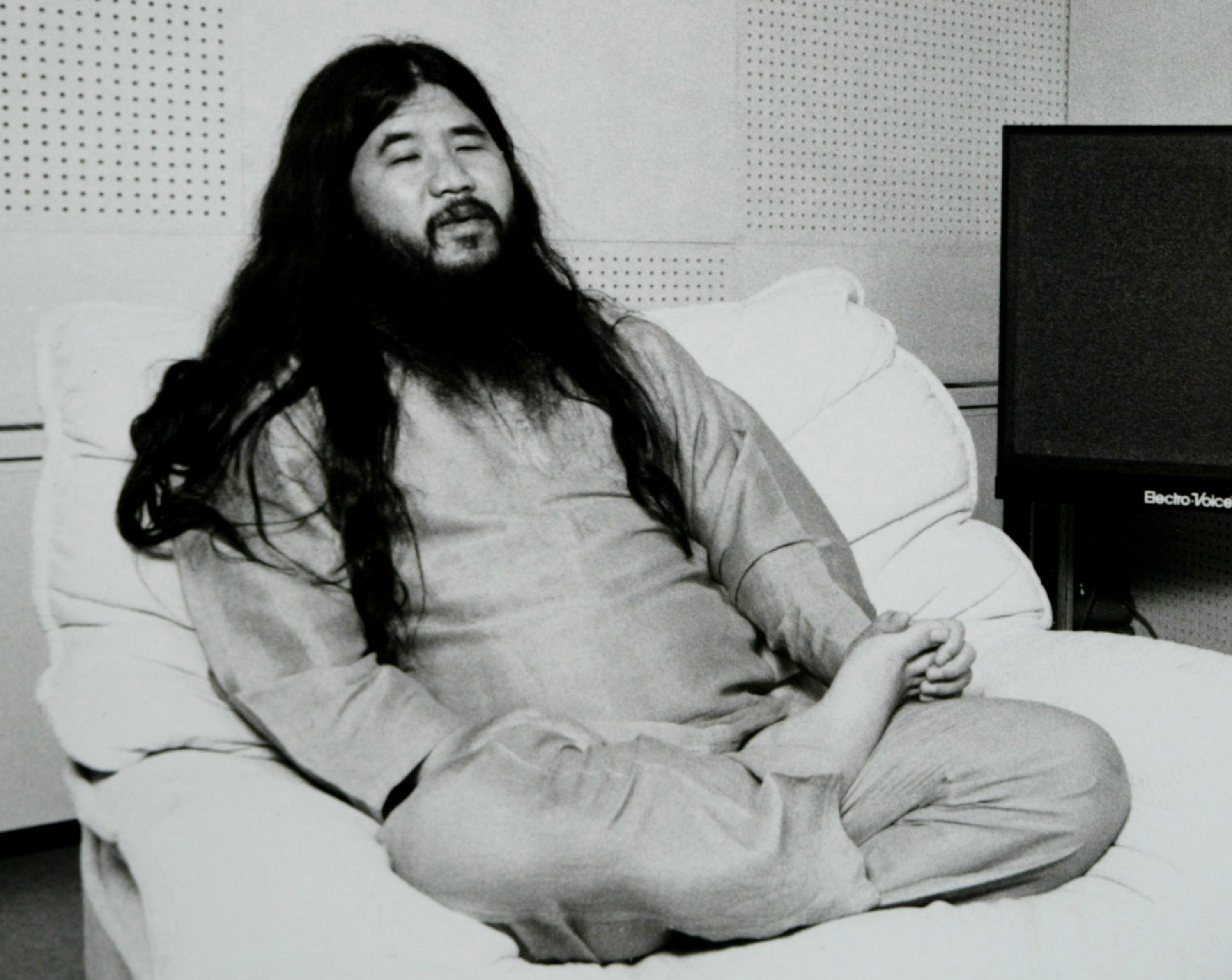
  • Event: While not all deaths were suicides, Aum Shinrikyo, a doomsday cult, orchestrated a sarin gas attack on the Tokyo subway. Several members died in suicide-like fashion, convinced that their deaths would bring about salvation. Aum Shinrikyo
Conclusion

Mass cult suicides are complex, multifaceted events that result from psychological manipulation, social isolation, and extreme belief systems. Understanding the psychological and sociological mechanisms at play helps to shed light on why individuals would willingly participa te in such tragic events. Theories like groupthink, cognitive dissonance, and charismatic leadership, along with isolation and apocalyptic beliefs, play critical roles in fostering environments where these events can occur.


India's Stance on Natural Justice

· 4 min read
P Bala Padma
Faculty @ Osmania University

Introduction

Natural justice, a fundamental principle in legal theory, ensures fairness in judicial and administrative processes. In India, this principle is deeply embedded in the constitutional and legal framework, reflecting the country's commitment to equitable and transparent governance. This article explores India's approach to natural justice, its historical context, and its application in contemporary legal practices.

Historical Context

The concept of natural justice has its roots in ancient legal traditions, but it gained formal recognition in Indian law through the British colonial legal system. The Indian judiciary has since developed and expanded the principles of natural justice, aligning them with constitutional guarantees and evolving democratic norms.

Early Developments

During the colonial era, the Indian legal system inherited the principles of natural justice from English common law. These principles were initially applied in administrative and quasi-judicial proceedings. Over time, Indian courts began to assert the necessity of these principles to uphold fairness and accountability.

Constitutional Recognition

With the adoption of the Indian Constitution in 1950, natural justice was enshrined as a constitutional guarantee. Articles 14 and 21 of the Constitution underscore the principles of fairness and procedural justice, which are integral to the concept of natural justice. Article 14 guarantees the right to equality before the law, while Article 21 provides the right to life and personal liberty, which includes the right to a fair procedure.

Core Principles of Natural Justice

In India, natural justice is predominantly associated with the following core principles:

1. Audi Alteram Partem (Hear the Other Side)

This principle mandates that no person should be condemned unheard. It ensures that individuals or entities affected by a decision have the right to present their case and respond to any allegations or evidence against them. In administrative and judicial proceedings, this principle is vital for ensuring that decisions are made based on a comprehensive understanding of the facts.

2. Nemo Judex in Causa Sua (No One Should Be a Judge in Their Own Case)

This principle asserts that a decision-maker should not have a personal interest in the outcome of the case. It is crucial for maintaining impartiality and preventing conflicts of interest. In India, this principle is applied to ensure that judges, adjudicators, and administrators are unbiased and do not have any stake in the proceedings.

3. Reasoned Decisions

Natural justice also encompasses the requirement for decisions to be reasoned. Decision-makers must provide clear and justifiable reasons for their conclusions, allowing affected parties to understand the basis of the decision and, if necessary, challenge it.

Application in Indian Jurisprudence

Indian courts have consistently upheld the principles of natural justice in various judicial and administrative contexts. Some notable cases include:

1. A.K. Kraipak v. Union of India (1969)

In this landmark case, the Supreme Court emphasized the application of natural justice in administrative decisions. The Court ruled that even administrative actions must comply with the principles of natural justice, ensuring fairness and transparency.

2. Maneka Gandhi v. Union of India (1978)

The Supreme Court in this case expanded the scope of Article 21 to include procedural fairness. The judgment reinforced the notion that any law depriving a person of their liberty must adhere to the principles of natural justice.

3. Union of India v. C.S. Sanghi (2013)

This case highlighted the importance of providing a reasoned decision in administrative proceedings. The Supreme Court emphasized that decisions affecting individual rights must be based on clear reasoning and evidence.

Contemporary Challenges and Reforms

Despite the robust legal framework, challenges remain in ensuring the effective application of natural justice in India. Issues such as delays in judicial processes, inadequate representation, and administrative inefficiencies can impact the realization of these principles.

1. Judicial Delays

The backlog of cases and delays in the judicial system can undermine the timely application of natural justice. Efforts to streamline court procedures and enhance judicial efficiency are essential to address this challenge.

2. Access to Justice

Ensuring that all individuals have access to legal representation and can effectively participate in proceedings is crucial. Legal aid programs and reforms aimed at improving access to justice are vital for upholding natural justice.

3. Administrative Reforms

Efforts to improve transparency and accountability in administrative decision-making are ongoing. Reforms aimed at enhancing procedural fairness and reducing corruption are essential for maintaining the principles of natural justice.

Conclusion

India's stance on natural justice reflects a deep commitment to fairness, transparency, and accountability. Through constitutional guarantees, judicial precedents, and ongoing reforms, the country strives to uphold these fundamental principles in its legal and administrative processes. As India continues to evolve, the application and enforcement of natural justice will remain crucial in ensuring that justice is served equitably and impartially.

Benefits of a 30-Minute Walk

· 5 min read
Panneru Sreeja
MBA @ JNTU

Walking is one of the simplest and most accessible forms of exercise. A 30-minute daily walk can have numerous benefits for both physical and mental health, improving overall well-being. Whether you’re looking to lose weight, boost your mood, or improve cardiovascular health, walking is an easy and effective way to stay active.

Introduction

In today’s fast-paced world, finding time for physical activity can be a challenge. However, just 30 minutes of walking each day can make a significant difference. Walking is a low-impact exercise that doesn’t require special equipment, and it can be done almost anywhere. The benefits extend beyond fitness, contributing to mental clarity, improved mood, and disease prevention.

Physical Health Benefits of a 30-Minute Walk

1. Weight Management

Walking helps burn calories and aids in weight management. A brisk 30-minute walk can burn approximately 150-200 calories, depending on your weight and walking speed. When combined with a healthy diet, it can help with weight loss or maintaining a healthy weight over time.

2. Improved Cardiovascular Health

Walking is great for heart health. It helps lower blood pressure, improve circulation, and reduce the risk of heart disease. Regular walking strengthens the heart and improves overall cardiovascular function, lowering cholesterol levels and reducing the risk of stroke.

3. Strengthens Muscles and Bones

Walking engages various muscle groups, including those in your legs, core, and back. It can improve muscle tone, strengthen bones, and reduce the risk of osteoporosis. Walking also improves joint flexibility and reduces the likelihood of developing conditions like arthritis.

4. Boosts Immune Function

Studies have shown that walking can enhance immune function. A 30-minute walk increases the circulation of white blood cells, which helps the body fight off infections and illnesses. Regular walkers often experience fewer colds and flu episodes than those with sedentary lifestyles.

5. Enhances Lung Function

Walking increases oxygen flow and helps improve lung capacity. It enhances the efficiency of your lungs by promoting better oxygen exchange, helping your body utilize oxygen more effectively during exercise and rest.

Mental Health Benefits of a 30-Minute Walk

1. Reduces Stress and Anxiety

Walking, particularly in nature or green spaces, can reduce stress levels and ease anxiety. Physical activity releases endorphins, which are chemicals in the brain that improve mood and reduce feelings of stress and tension.

2. Improves Mental Clarity and Focus

A 30-minute walk can enhance cognitive function, improve focus, and boost creativity. Walking increases blood flow to the brain, which improves concentration, memory, and overall cognitive performance. It can also help you process and clear your thoughts.

3. Elevates Mood

Walking is a natural mood booster. The release of endorphins during physical activity can help combat symptoms of depression and improve overall emotional well-being. Walking outdoors, especially in sunlight, can also help increase serotonin levels, contributing to a more positive mood.

4. Better Sleep Quality

Regular walking can improve sleep quality by reducing anxiety and promoting relaxation. It helps regulate your body’s internal clock (circadian rhythm), making it easier to fall asleep at night and wake up feeling refreshed.

Long-Term Health Benefits

1. Reduces the Risk of Chronic Diseases

Walking regularly can lower the risk of developing chronic diseases, including type 2 diabetes, hypertension, and certain types of cancer. It improves insulin sensitivity, reduces inflammation, and helps manage blood sugar levels, making it an effective tool for preventing diabetes.

2. Longevity and Better Quality of Life

People who walk regularly tend to live longer and enjoy a better quality of life. Walking reduces the risk of premature death from heart disease, stroke, and other chronic conditions. Additionally, it promotes independence and mobility in older age, reducing the likelihood of falls and physical decline.

3. Promotes Healthy Aging

Walking helps maintain mobility, balance, and coordination, which are important for healthy aging. Regular walking reduces the risk of falls, strengthens muscles, and preserves flexibility. It can also help older adults maintain social connections, which contributes to mental and emotional health.

Tips for a Successful 30-Minute Walk

  • Walk Briskly: Aim for a pace that gets your heart rate up but allows you to maintain a conversation.
  • Choose the Right Footwear: Wear comfortable shoes that provide good support and cushioning to avoid foot and joint pain.
  • Use Good Posture: Walk tall with your head up, shoulders back, and arms swinging naturally by your sides.
  • Stay Hydrated: Drink water before and after your walk to stay hydrated, especially on hot days.
  • Make it a Routine: Consistency is key, so try to make your walk a daily habit by scheduling it at the same time each day.

Conclusion

Incorporating a 30-minute walk into your daily routine can have transformative effects on both physical and mental health. From improving cardiovascular fitness and muscle strength to boosting mood and cognitive function, the benefits of walking are vast and wide-reaching. As a simple, low-impact exercise, walking is a sustainable and accessible way to stay healthy, active, and happy.


Problems Associated with Weight Gain

· 5 min read
Panneru Sreeja
MBA @ JNTU

Weight gain, particularly when it leads to obesity, can result in numerous physical and psychological health issues. While some weight gain may be necessary for individuals who are underweight, excessive or uncontrolled weight gain poses significant risks to overall well-being. This article explores the potential problems associated with weight gain and offers insights into how it affects the body and mind.

Introduction

Weight gain occurs when the number of calories consumed exceeds the number of calories burned. Over time, this surplus energy is stored as fat, leading to an increase in body weight. While small fluctuations in weight are natural, persistent or rapid weight gain can have negative consequences, impacting physical health, mental well-being, and quality of life.

Common Problems Linked to Weight Gain

1. Increased Risk of Chronic Diseases

Excess weight, especially when classified as obesity, significantly increases the risk of developing various chronic diseases. These include:

  • Type 2 Diabetes: Excess fat, particularly around the abdomen, can cause insulin resistance, leading to high blood sugar levels and, eventually, type 2 diabetes.
  • Heart Disease: Weight gain can increase blood pressure, cholesterol levels, and the risk of developing cardiovascular diseases like heart attacks and strokes.
  • Hypertension: Obesity is a major contributor to high blood pressure, which strains the heart and arteries over time.
  • Certain Cancers: Obesity is linked to an increased risk of cancers such as breast, colon, and endometrial cancer.

2. Joint and Mobility Issues

Carrying excess weight puts additional stress on the joints, particularly in the knees, hips, and lower back. Over time, this can lead to:

  • Osteoarthritis: The wear and tear on joints caused by extra weight can lead to osteoarthritis, a painful condition that limits mobility.
  • Reduced Flexibility: Weight gain can lead to a reduction in flexibility, which affects posture and physical performance in everyday tasks.

3. Sleep Apnea and Breathing Problems

Excess body fat, particularly around the neck, can lead to airway obstruction during sleep, a condition known as sleep apnea. This causes breathing to repeatedly stop and start during the night, leading to poor sleep quality, fatigue, and an increased risk of cardiovascular problems.

4. Hormonal Imbalances

Weight gain, particularly when linked to obesity, can disrupt the body’s hormonal balance. For example:

  • Leptin Resistance: Leptin is a hormone that signals to the brain when you are full. Weight gain can lead to leptin resistance, making it harder for the brain to recognize when to stop eating, further promoting weight gain.
  • Reproductive Health Issues: In women, excessive weight can lead to irregular menstrual cycles, infertility, and conditions such as polycystic ovary syndrome (PCOS).

5. Digestive and Gastrointestinal Issues

Excess weight can contribute to several gastrointestinal issues, including:

  • Acid Reflux: Fat around the abdomen can put pressure on the stomach, causing stomach acid to flow back into the esophagus, leading to acid reflux or GERD (Gastroesophageal Reflux Disease).
  • Gallstones: Obesity increases the risk of developing gallstones, which are solid particles that form in the gallbladder and can cause severe pain and digestive problems.

Psychological and Emotional Impact of Weight Gain

1. Low Self-Esteem and Body Image Issues

Weight gain, particularly when it leads to obesity, can negatively impact self-esteem and body image. Individuals may feel uncomfortable with their appearance, which can lead to feelings of inadequacy and social isolation.

2. Depression and Anxiety

Studies have shown a strong correlation between obesity and mental health disorders such as depression and anxiety. The physical and social challenges associated with weight gain can contribute to emotional stress, which may exacerbate or trigger mental health issues.

3. Social Stigma and Discrimination

People who gain significant weight, especially those with obesity, often face social stigma and discrimination. This can occur in various aspects of life, including the workplace, social settings, and even healthcare environments, leading to further emotional distress and a decrease in quality of life.

Other Health Risks

1. Fatty Liver Disease

Excess fat can accumulate in the liver, leading to non-alcoholic fatty liver disease (NAFLD). This condition can progress to liver inflammation and, in severe cases, liver damage or cirrhosis.

2. Compromised Immune System

Obesity can weaken the immune system, making it more difficult for the body to fight off infections. Individuals who are overweight may be more susceptible to illnesses and take longer to recover from infections.

3. Decreased Lifespan

Several studies have shown that obesity can reduce life expectancy. Chronic diseases, such as diabetes, heart disease, and certain cancers, all linked to excessive weight gain, can shorten an individual’s lifespan by several years.

Preventing and Managing Weight Gain

While weight gain can pose many risks, it is possible to prevent and manage it through lifestyle adjustments. Key strategies include:

1. Balanced Diet

Maintaining a healthy, balanced diet is crucial for managing weight. Focus on whole foods such as fruits, vegetables, lean proteins, and whole grains while limiting processed foods high in sugar and unhealthy fats.

2. Regular Exercise

Incorporating regular physical activity into daily routines helps burn calories and improve metabolism. Exercise also supports cardiovascular health, strengthens muscles, and enhances overall well-being.

3. Mindful Eating

Practicing mindful eating—paying attention to hunger and fullness cues, and eating slowly—can help prevent overeating and support weight management.

4. Medical Interventions

In some cases, weight gain may be managed through medical interventions, such as medications or surgical options like bariatric surgery. These interventions are typically considered when lifestyle changes alone are insufficient.

Conclusion

Weight gain, particularly when it leads to obesity, can have far-reaching consequences for both physical and mental health. From increasing the risk of chronic diseases to affecting emotional well-being, excessive weight gain poses significant challenges. However, with a proactive approach that includes a balanced diet, regular exercise, and mindfulness, individuals can manage their weight and reduce the associated health risks.


Problems due to Contraceptive Pills

· 5 min read
Panneru Sreeja
MBA @ JNTU

Contraceptive pills, also known as birth control pills, are commonly used to prevent pregnancy and manage hormonal imbalances. While effective, these pills can sometimes lead to side effects and health issues. It's important for users to be aware of these potential problems to make informed decisions about their health.

Introduction

Contraceptive pills contain synthetic hormones, usually a combination of estrogen and progestin, or in some cases only progestin. They work by preventing ovulation, altering the cervical mucus, and thinning the uterine lining. However, the introduction of these hormones into the body can cause various short- and long-term side effects.

Common Side Effects

Many women experience side effects when they start taking contraceptive pills. These side effects are usually mild and tend to resolve after a few months of use.

1. Nausea

Nausea is a common side effect, particularly when starting the pill. This is usually due to the estrogen content in the pill, which can irritate the stomach lining.

2. Headaches and Migraines

The fluctuation of hormones in the body can lead to headaches or even migraines in some women. Estrogen-containing pills may trigger these symptoms, especially in individuals prone to migraines.

3. Breast Tenderness

Many women report breast tenderness or swelling when they begin using contraceptive pills. This is usually temporary but can be uncomfortable.

4. Weight Gain

Some users experience slight weight gain, which may be caused by water retention rather than fat accumulation. This effect is generally temporary and varies from person to person.

5. Mood Changes

Hormonal contraceptives can affect mood, leading to mood swings, irritability, or even symptoms of depression in some women. Individuals with a history of mental health issues should consult a healthcare provider before starting the pill.

Serious Health Risks

Though rare, contraceptive pills can lead to more serious health problems. These risks are usually associated with long-term use or with certain preexisting conditions.

1. Blood Clots

One of the most significant risks of contraceptive pills, particularly those containing estrogen, is the increased risk of blood clots. Blood clots can form in the legs (deep vein thrombosis) and may travel to the lungs (pulmonary embolism), which can be life-threatening.

Risk Factors:

  • Smoking
  • Obesity
  • Age (over 35)
  • Family history of blood clots

2. High Blood Pressure

Birth control pills can raise blood pressure, especially in women who already have high blood pressure or are prone to it. Regular monitoring of blood pressure is recommended for long-term users.

3. Cardiovascular Disease

Women who use contraceptive pills, especially those who smoke or are over 35, have a higher risk of cardiovascular issues such as heart attacks and strokes. The risk is further elevated for women with preexisting conditions like high blood pressure or high cholesterol.

4. Liver Problems

In rare cases, contraceptive pills can cause liver issues, including the development of benign liver tumors. These tumors, though not cancerous, can rupture and cause internal bleeding.

5. Cancer Risk

Some studies have suggested that prolonged use of birth control pills may slightly increase the risk of certain types of cancer, such as breast and cervical cancer. However, the pill may also reduce the risk of ovarian and endometrial cancer.

Long-Term Implications

For most women, contraceptive pills are safe for long-term use. However, certain health conditions can arise over time, particularly with extended use.

1. Fertility Issues

There is no concrete evidence that contraceptive pills cause long-term fertility problems. However, some women experience a delay in returning to normal menstrual cycles after stopping the pill, especially if they have been on it for many years.

2. Bone Density Loss

Certain types of contraceptive pills, particularly those containing only progestin, may cause a decrease in bone density, especially with long-term use. This could lead to an increased risk of osteoporosis later in life.

3. Decreased Libido

Some women experience a reduced sex drive while taking contraceptive pills. This is believed to be due to hormonal changes that affect the body's natural production of testosterone.

When to Consult a Doctor

While mild side effects are common, certain symptoms should prompt immediate consultation with a healthcare provider. These include:

  • Severe abdominal pain
  • Chest pain or shortness of breath
  • Sudden severe headaches
  • Eye problems, including blurred vision
  • Swelling or pain in the legs (indicative of a blood clot)

Alternatives to Contraceptive Pills

For women who experience significant side effects or have preexisting conditions that make contraceptive pills unsafe, there are several alternative methods of birth control:

  1. Intrauterine Devices (IUDs): Both hormonal and non-hormonal IUDs provide long-term contraception without the daily intake of hormones.
  2. Barrier Methods: Condoms, diaphragms, and other barrier methods are non-hormonal alternatives to contraceptive pills.
  3. Hormonal Patches or Injections: These methods deliver hormones in a different way and may have different side effect profiles.
  4. Natural Family Planning: Tracking ovulation and menstrual cycles can help prevent pregnancy without the use of hormones, though it may be less reliable.

Conclusion

While contraceptive pills are effective and convenient for preventing pregnancy, they can cause a range of side effects, from mild discomfort to serious health risks. Women should weigh the pros and cons of birth control pills and consider consulting a healthcare provider to determine the best contraceptive method for their individual health needs.


Standing for Long Hours Good or Bad for Hotel Management Staff?

· 5 min read
Panneru Sreeja
MBA @ JNTU

Hotel management staff, including front desk personnel, waitstaff, and housekeeping, often spend long hours on their feet as part of their daily duties. While standing is a natural human posture, prolonged periods of standing can have both positive and negative effects on the body. This article explores the pros and cons of standing for extended hours in the hospitality industry and offers suggestions for maintaining a healthy balance.

Introduction

In hotel management, employees are expected to be active, responsive, and maintain a professional demeanor at all times. Standing is often considered a requirement for staff to engage with customers, provide service, and carry out various tasks efficiently. However, standing for long hours without proper rest or ergonomics can lead to health complications, making it crucial to understand the potential impacts.

Benefits of Standing for Long Hours

There are some advantages to standing as part of a job, particularly for workers in active environments like hotels.

1. Increased Calorie Burn

Standing burns more calories than sitting, which can help with maintaining a healthy weight. In a fast-paced hotel environment, standing and moving from one task to another can provide a form of low-intensity exercise throughout the day.

2. Improved Posture

Standing promotes better posture compared to prolonged sitting. In jobs where professionalism and appearance are key, such as hotel management, standing with proper posture can create a confident and approachable demeanor, which is crucial for guest interaction.

3. Enhanced Productivity

For staff working in guest services or housekeeping, standing allows for quicker responses and easier mobility. It can increase efficiency when handling tasks like checking in guests, serving food, or managing events.

Drawbacks of Standing for Long Hours

Despite the benefits, standing for extended periods also poses significant health risks, especially if not managed properly.

1. Fatigue and Discomfort

Standing for long hours can lead to physical fatigue and discomfort, especially if hotel staff are required to stay in one spot for extended periods, such as at the front desk. Fatigue can reduce concentration and overall job performance.

2. Muscle and Joint Pain

Prolonged standing puts pressure on the lower back, knees, and feet. Over time, this can result in musculoskeletal disorders, including back pain, varicose veins, and joint issues. Standing without proper ergonomic support, such as anti-fatigue mats or supportive footwear, exacerbates these problems.

3. Increased Risk of Heart Disease

Several studies have shown that standing for long periods increases the risk of heart disease. When standing, the body has to work harder to pump blood, which can lead to increased strain on the heart and circulatory system. Over time, this could contribute to serious health conditions, including cardiovascular disease.

4. Poor Circulation

Standing for prolonged periods can lead to poor blood circulation, especially in the lower extremities. This can cause swelling, pain, and in severe cases, blood clots. For hotel staff who stand all day, this is a significant health concern that needs to be addressed.

Recommendations for Hotel Management Staff

To mitigate the negative effects of standing for long hours, hotel staff and management should take steps to promote a healthier working environment.

1. Use of Anti-Fatigue Mats

Providing anti-fatigue mats in areas where staff are required to stand for extended periods (such as the front desk) can reduce the strain on muscles and joints, making prolonged standing more bearable.

2. Proper Footwear

Encouraging the use of ergonomic, supportive footwear can significantly reduce foot pain and discomfort. Hotel staff should opt for shoes with good arch support and cushioning to absorb shock from standing and walking.

3. Incorporate Movement and Breaks

Alternating between standing and walking can help alleviate the strain caused by standing in one position for too long. Hotel staff should be encouraged to take short breaks to sit down or move around to improve circulation and relieve pressure on their legs and back.

4. Strengthening Exercises

Regular exercises that focus on strengthening core muscles and improving flexibility can help reduce the long-term effects of standing for extended hours. Simple stretches and exercises can be performed during breaks or before and after shifts.

5. Job Rotation

Where possible, implementing job rotation in the hotel can ensure that staff do not spend their entire shift standing in one place. For example, front desk staff could alternate between reception and other seated tasks like phone management or administrative duties.

Conclusion

For hotel management staff, standing for long hours is a part of the job. While it offers some benefits, such as increased mobility and calorie burn, it also presents serious health risks if not managed properly. By using ergonomic solutions, taking breaks, and focusing on posture and movement, hotel staff can mitigate the negative effects of prolonged standing and maintain their health and productivity over the long term.


Impact of Higher Education on the Global Economy

· 3 min read
P Bala Padma
Faculty @ Osmania University

Introduction

Higher education plays a pivotal role in shaping the global economy. It contributes to economic development by fostering innovation, enhancing productivity, and equipping individuals with the skills needed for a rapidly evolving job market. This document explores the multifaceted impact of higher education on the global economy, highlighting its significance in driving economic growth and development.

Contributions of Higher Education to the Global Economy

1. Enhancing Human Capital

Higher education increases the skills, knowledge, and expertise of the workforce. Graduates from higher education institutions are better equipped to contribute to various sectors, leading to higher productivity and economic efficiency. A well-educated workforce is essential for fostering innovation and maintaining competitiveness in the global market.

2. Driving Innovation and Research

Universities and research institutions are hubs of innovation and technological advancement. Higher education institutions conduct research that leads to new technologies, products, and processes. This innovation drives economic growth by creating new industries, improving existing ones, and enhancing overall productivity.

3. Promoting Economic Growth

Investments in higher education contribute to long-term economic growth. Higher education institutions produce skilled graduates who are capable of driving economic activities, starting businesses, and contributing to various industries. This, in turn, leads to job creation, increased consumer spending, and overall economic development.

4. Reducing Inequality

Higher education can play a role in reducing economic inequality by providing individuals from diverse backgrounds with opportunities for advancement. By promoting access to quality education, societies can ensure that talent and skills are developed irrespective of socio-economic status, leading to a more equitable distribution of wealth and opportunities.

5. Improving Health and Well-being

Higher education contributes to better health outcomes and overall well-being. Educated individuals are more likely to make informed health decisions, leading to a healthier population. A healthier workforce is more productive and less costly to the economy in terms of healthcare expenses.

6. Global Competitiveness

Countries with strong higher education systems are better positioned to compete in the global economy. A well-educated workforce attracts international businesses and investment, enhances the country's reputation for innovation, and contributes to economic stability and growth.

Challenges and Considerations

1. Access and Equity

Ensuring equitable access to higher education remains a challenge. Disparities in access based on geography, socio-economic status, and gender can limit the potential contributions of individuals from underrepresented groups. Addressing these disparities is crucial for maximizing the economic benefits of higher education.

2. Quality and Relevance

The quality and relevance of higher education programs must align with the needs of the labor market. Institutions must continuously adapt their curricula and research focus to address emerging trends and technological advancements to ensure that graduates are well-prepared for the evolving job market.

3. Funding and Investment

Adequate funding and investment in higher education are essential for maintaining and improving educational quality. Governments, private sector, and international organizations must collaborate to provide the necessary resources to support educational institutions and their programs.

Conclusion

Higher education has a profound impact on the global economy, driving innovation, productivity, and economic growth. By enhancing human capital, promoting research, and contributing to overall well-being, higher education plays a crucial role in shaping the future of the global economy. Addressing challenges related to access, quality, and funding is essential for maximizing the positive impact of higher education on economic development.

Micro Small and Medium Enterprises (MSMEs) in India

· 4 min read
P Bala Padma
Faculty @ Osmania University

Introduction

Micro, Small, and Medium Enterprises (MSMEs) play a crucial role in the Indian economy. They are the backbone of the industrial sector, contributing significantly to employment, innovation, and economic growth. This document provides an overview of MSMEs in India, their importance, challenges, and contributions to the economy.

Definition of MSMEs

In India, MSMEs are classified based on their investment in plant and machinery (for manufacturing) or equipment (for services) and their annual turnover. The classification is as follows:

  • Micro Enterprises: Investment up to ₹1 crore (₹10 million) and turnover up to ₹5 crore (₹50 million).
  • Small Enterprises: Investment up to ₹10 crore (₹100 million) and turnover up to ₹50 crore (₹500 million).
  • Medium Enterprises: Investment up to ₹50 crore (₹500 million) and turnover up to ₹250 crore (₹2.5 billion).

Importance of MSMEs

1. Employment Generation

MSMEs are significant contributors to employment generation in India. They provide job opportunities to millions of people, particularly in rural and semi-urban areas, thus helping in reducing unemployment and poverty.

2. Contribution to GDP

MSMEs contribute a substantial share to the Gross Domestic Product (GDP) of India. They are involved in various sectors, including manufacturing, services, and agriculture, adding value to the economy through their diverse activities.

3. Innovation and Entrepreneurship

MSMEs are often at the forefront of innovation and entrepreneurship. They introduce new products, services, and technologies, driving competition and fostering a culture of creativity and innovation.

4. Regional Development

By establishing businesses in rural and semi-urban areas, MSMEs promote regional development and help in balancing economic growth across different parts of the country.

5. Support for Large Industries

MSMEs act as suppliers and service providers to large industries, contributing to the overall supply chain and supporting the growth of larger enterprises.

Challenges Faced by MSMEs

1. Access to Finance

One of the major challenges faced by MSMEs is accessing finance. Many small businesses struggle to secure loans and funding due to stringent requirements and lack of collateral.

2. Regulatory Hurdles

MSMEs often face bureaucratic hurdles and complex regulatory requirements that can impede their growth and operational efficiency. Simplifying compliance processes and regulations can help address this challenge.

3. Technology Adoption

Limited access to advanced technology and resources can hinder the growth of MSMEs. Encouraging technology adoption and providing support for upgrading infrastructure can enhance their competitiveness.

4. Market Access

MSMEs sometimes struggle to access broader markets and compete with larger enterprises. Facilitating market access and promoting export opportunities can help them overcome this challenge.

5. Skill Development

A shortage of skilled labor and inadequate training programs can impact the productivity and efficiency of MSMEs. Investing in skill development and training programs can address this issue.

Government Initiatives for MSMEs

The Indian government has implemented various initiatives to support MSMEs, including:

  • MSME Development Act: Provides a framework for the development and regulation of MSMEs.
  • Pradhan Mantri Mudra Yojana (PMMY): Offers financial support to small businesses through micro-financing.
  • Startup India: Encourages entrepreneurship and provides incentives for startups, including MSMEs.
  • Digital MSME Scheme: Aims to promote digital technology adoption among MSMEs.
  • National Small Industries Corporation (NSIC): Provides support for marketing, finance, and technology to small businesses.

Conclusion

Micro, Small, and Medium Enterprises (MSMEs) are vital to the Indian economy, contributing to employment, innovation, and regional development. Addressing the challenges faced by MSMEs and supporting their growth through government initiatives and policies can lead to a more robust and dynamic economic landscape. Continued focus on empowering MSMEs will enhance their role in driving economic progress and achieving sustainable development.

Company Registration Process in India

· 3 min read
P Bala Padma
Faculty @ Osmania University

Introduction

Registering a company in India is a crucial step for establishing a legal business entity. The registration process ensures that your business operates within the legal framework and complies with the regulations set by the Indian government. This document provides a detailed overview of the steps involved in registering a company in India.

Steps for Company Registration

1. Obtain Digital Signature Certificate (DSC)

Before registering a company, the first step is to obtain a Digital Signature Certificate (DSC) for the proposed directors. DSC is required for filing electronic documents with the Ministry of Corporate Affairs (MCA). You can obtain DSC from authorized agencies like eMudhra or NSDL.

2. Obtain Director Identification Number (DIN)

Every director of the company must obtain a Director Identification Number (DIN). DIN can be obtained by filing Form DIR-3 through the MCA portal. The director must provide personal details, proof of identity, and address proof.

3. Choose a Company Name

Select a suitable name for the company. The name should be unique and not similar to any existing company names or trademarks. You can check name availability using the MCA’s online tool.

4. Prepare and File the Incorporation Documents

Prepare the necessary documents for incorporation, including:

  • Memorandum of Association (MOA): Defines the company’s scope of activities.
  • Articles of Association (AOA): Contains the rules governing the internal management of the company.
  • Declaration of Compliance: A declaration by the company secretary or director.
  • Proof of Address: Address proof of the registered office.
  • Identity and Address Proof of Directors: Documents proving the identity and address of directors.

File these documents with the Registrar of Companies (ROC) through the MCA portal using Form SPICe (Simplified Proforma for Incorporating Company Electronically).

5. Pay the Registration Fees

Pay the required registration fees based on the company’s authorized capital. The fees are calculated according to the government’s fee structure and can be paid online through the MCA portal.

6. Obtain Certificate of Incorporation

Upon successful submission of documents and payment, the ROC will issue a Certificate of Incorporation. This certificate is proof that the company is legally registered and can begin its operations.

7. Apply for PAN and TAN

After obtaining the Certificate of Incorporation, apply for the Permanent Account Number (PAN) and Tax Deduction and Collection Account Number (TAN) for the company. PAN and TAN are required for tax purposes and can be obtained from the Income Tax Department.

8. Register for GST (if applicable)

If your company’s turnover exceeds the GST threshold limit or if you are engaged in interstate sales, you need to register for Goods and Services Tax (GST). This registration can be done online through the GST portal.

9. Open a Bank Account

Open a bank account in the name of the company. You will need to provide the Certificate of Incorporation, PAN, and other documents to the bank.

10. Comply with Post-Incorporation Requirements

After registration, ensure compliance with post-incorporation requirements such as:

  • Appointment of Auditor: Appoint a statutory auditor within 30 days of incorporation.
  • Maintain Statutory Registers: Maintain registers of members, directors, and other statutory records.
  • Hold Board Meetings: Conduct board meetings and maintain minutes as per the company’s regulations.

Conclusion

The company registration process in India involves several steps to ensure legal compliance and proper establishment of the business entity. By following the outlined steps, you can successfully register your company and commence operations legally. For more detailed guidance, consider consulting a professional or legal expert specializing in company law.

Goods and Services Tax (GST)

· 3 min read
P Bala Padma
Faculty @ Osmania University

Introduction

Goods and Services Tax (GST) is a comprehensive, multi-stage, destination-based tax that is levied on every value addition. It is designed to unify the indirect tax structure in a country, simplifying the taxation process by consolidating various taxes into a single tax. GST aims to make the tax system more transparent and efficient, reducing the cascading effect of taxes and promoting economic growth.

Key Features of GST

  1. Unified Tax Structure: GST replaces multiple indirect taxes like VAT, service tax, excise duty, and others, providing a single tax structure across the country.

  2. Destination-Based Taxation: GST is a destination-based tax, meaning that the tax is collected at the point of consumption rather than the point of origin. This ensures that tax revenue is collected where the final consumer is located.

  3. Input Tax Credit (ITC): Businesses can claim a credit for the tax paid on inputs, which reduces the overall tax liability. This helps avoid the cascading effect of taxes, where tax is levied on tax.

  4. Four-Tier Tax Structure: GST is divided into four main tax slabs - 5%, 12%, 18%, and 28% - to accommodate different types of goods and services. There are also special rates for certain items, including essential goods and luxury items.

  5. GST Network (GSTN): GST operates through an online portal, the GST Network, which facilitates the filing of returns, payment of taxes, and other compliance-related activities. This digital platform ensures transparency and ease of access.

GST in Practice

Registration

Businesses with an annual turnover above a specified threshold are required to register for GST. Once registered, businesses are assigned a unique GST Identification Number (GSTIN), which must be displayed on all tax invoices.

Filing Returns

GST-registered businesses must file regular returns, including details of sales, purchases, and input tax credits. Returns must be filed monthly or quarterly, depending on the turnover and type of business.

Tax Invoices

Under GST, businesses are required to issue tax invoices for the supply of goods or services. The invoice must include details such as the GSTIN of the supplier and recipient, the amount of tax charged, and a description of the goods or services.

Impact of GST

Positive Impacts

  • Simplification: GST simplifies the tax structure, reducing the complexity of compliance for businesses.
  • Reduced Tax Cascading: Input tax credit under GST helps avoid the cascading effect of taxes, leading to lower costs for consumers.
  • Increased Transparency: The digital nature of GST and the use of GSTN enhance transparency and reduce tax evasion.

Challenges

  • Implementation Costs: The initial setup and compliance costs can be high, especially for small and medium-sized enterprises.
  • Compliance Complexity: Despite simplification, businesses may still face challenges in understanding and adhering to GST regulations.

Conclusion

Goods and Services Tax (GST) represents a significant reform in the indirect tax system, aiming to create a more streamlined and efficient tax structure. While it offers many benefits, including simplification and reduced tax cascading, businesses must navigate its complexities and comply with regulatory requirements to fully leverage its advantages.

For more information on GST, refer to the official GST portal or consult a tax professional.